ארבעים ושמונה שנים בלי שם: גברת הדיונות
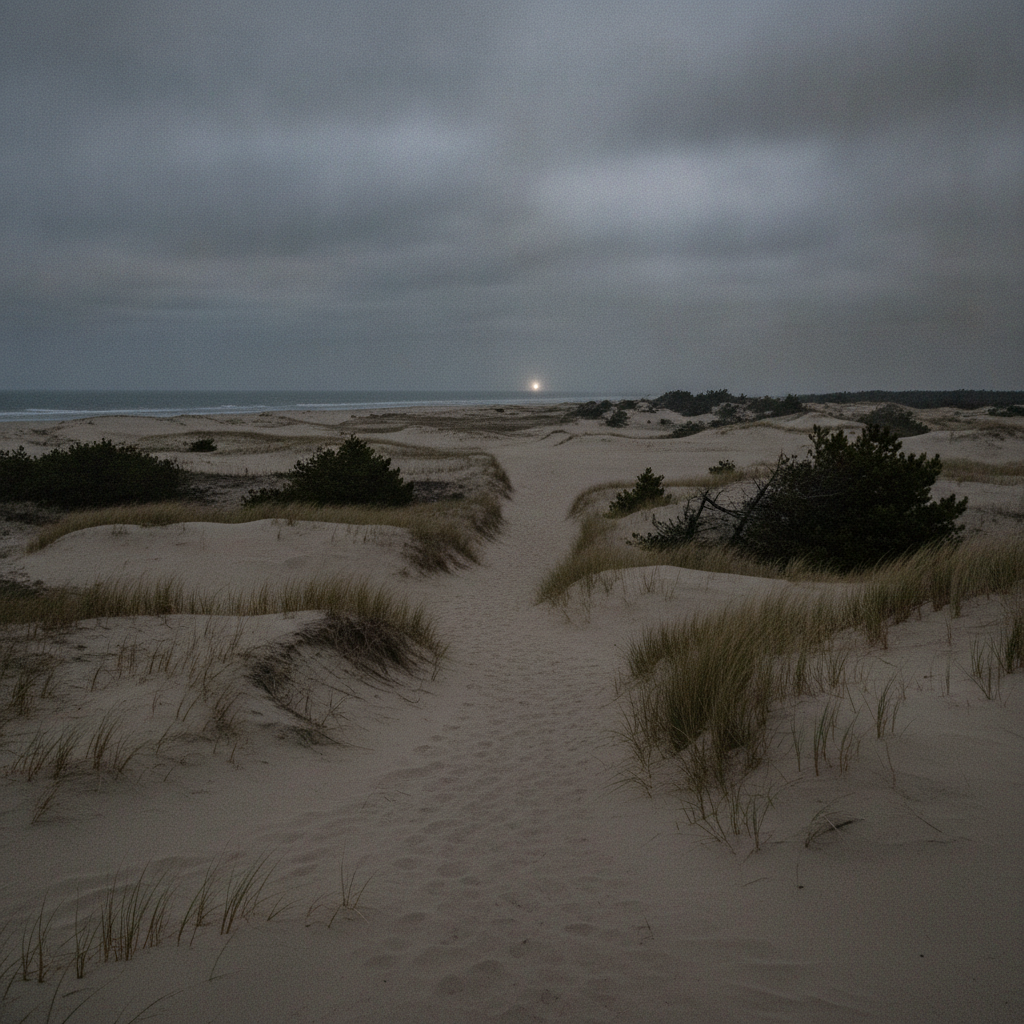
הדיונות ממזרח לרייס פוינט מסתירות דברים מטבען. הן נעות, הן בולעות עקבות תוך שעות, ובשיא הקיץ אורני החורש ועשב החוף נסגרים מעל השקעים שביניהן עד שאדם שיעבור עשרים מטר משם לא יראה דבר. אחר הצהריים של 26 ביולי 1974, ילדה בת שתים עשרה שטיילה עם הכלב שלה כקילומטר וחצי ממזרח לתחנת השומרים ברייס פוינט, בקצה הרחוק של קייפ קוד, נתקלה במשהו באחד השקעים האלה. זו הייתה אישה, שוכבת על פניה על שמיכת חוף.
היא הייתה מתה כבר שבועות. שיערה הערמוני נאסף לקוקו והוחזק בגומייה משובצת נצנצי זהב. ציפורני רגליה היו צבועות ורוד. ראשה נח על מכנסי ג'ינס מקופלים. בחול הסמוך היו שני סטים של עקבות נעליים וסימני צמיגים, מה שאמר לחוקרים שכמעט בוודאות היא לא הגיעה לשם בכוחות עצמה.
שוטרי משטרת מסצ'וסטס שהגיעו לזירה הבינו תוך דקות שהם מסתכלים על גופה שמישהו טרח להפוך לבלתי ניתנת לזיהוי. שתי ידיה נעלמו, ואיתן אמה אחת. כמה שיניים הוצאו. הצד השמאלי של גולגולתה רוסק במכה כבדה, וראשה כמעט נותק. גורמים רשמיים יאמרו לימים במפורש מה משמעות הידיים החסרות: מי שהשאיר אותה שם רצה להפוך זיהוי טביעות אצבע לבלתי אפשרי.
מה שהרוצח השאיר מאחור היה הפה שלה. עבודות השיניים שנותרו היו נרחבות ויקרות, מוערכות אז בין חמשת אלפים לעשרת אלפים דולר, הון קטן ב-1974. גובהה היה כמטר שבעים, משקלה כשישים וחמישה קילוגרם ומבנה גופה אתלטי. רפואת השיניים הזאת הפכה לקצה החוט הטוב ביותר בתיק ולמבוי הסתום הארוך ביותר שלו. תיאורי העבודות נשלחו לאיגודי רופאי שיניים ולמשטרות ברחבי ארצות הברית. איש לא זיהה. איש לא התקשר.
היא נקברה בפרובינסטאון תחת מצבה בלי שם, והעיירה החלה לקרוא לה "גברת הדיונות". גופתה הוצאה מהקבר ב-1980, שוב ב-2000 ושוב ב-2013, בכל פעם כדי ליטול דגימות בשיטות שלא היו קיימות בהוצאה הקודמת. שחזורי פנים נעשו ב-1979 ושוב סביב 2010, המאוחר שבהם על בסיס סריקת CT שנערכה במאי 2010 בשיתוף המרכז הלאומי לילדים נעדרים ומנוצלים. פניה המשוחזרות הודפסו בעיתונים והופצו ברשת במשך עשורים. הן מעולם לא הביאו את שמה.
בהיעדר שם, התיק התמלא בתיאוריות, וחלקן הרחיקו לכת. ב-1981 קישר מידע כלשהו בינה לבין ג'יימס "וייטי" בולג'ר, איש הפשע המאורגן מבוסטון, שנודע בכך שעקר שיניים מקורבנותיו. דבר מעולם לא הוכח והוא מעולם לא הואשם בקשר למותה. ב-2004 הודה בריצוח האדן קלארק, רוצח מורשע שאובחן עם סכיזופרניה פרנואידית, ושלח לחוקרים ציור של אישה בלי ידיים ומפה מצוירת ביד; המשטרה קבעה שההודאה שקרית. באוגוסט 2015 שם הסופר ג'ו היל לב לאישה בקהל בסצנת חוף בסרט מלתעות, שצולם במרתה'ס וינייארד בקיץ 1974, לבושה בבגדים הדומים לפריטים שנמצאו ליד הגופה. החוקרים כינו את הרעיון מופרך. כל אחת מהתיאוריות האלה חיה בזיכרון הציבורי הרבה יותר זמן מאשר בתיק החקירה.
מה שעבד בסופו של דבר לא היה קצה חוט כלל. זו הייתה טכניקה שלא הייתה קיימת ברוב השנים שבהן התיק נשאר פתוח. גנאלוגיה גנטית חוקרת לוקחת DNA שהופק מהשרידים, בונה פרופיל מפורט דיו כדי להשוותו למאגרי שירותי הגנאלוגיה המסחריים, מאתרת קרובי משפחה רחוקים שחולקים מקטעים מאותו DNA, ואז יורדת דרך רישומי לידה, נישואין ומפקדי אוכלוסין עד שהענפים מתכנסים לאדם אחד. מעבדת אות'רם מטקסס בנתה פרופיל שמיש משרידי השלד המתכלים. משרד ה-FBI בבוסטון ומשטרת מסצ'וסטס המשיכו משם בעקבות הגנאלוגיה.
ב-31 באוקטובר 2022, ארבעים ושמונה שנים ושלושה חודשים אחרי שתלמידת בית ספר מצאה אותה בחול, הודיע ה-FBI על השם. היא הייתה רות מארי טרי, ילידת 8 בספטמבר 1936 בוויטוול שבטנסי. היא הייתה בת שלושים ושבע כשמתה.
החיים שחזרו יחד עם השם היו רגילים וקשים. היא עבדה במפעל פישר בודי במישיגן. ב-1958 מסרה בן תינוק לאימוץ, החלטה שקרובים ייחסו למצוקה כלכלית. אחר כך עברה לקליפורניה. חוקרים איתרו קשרים לטנסי, מישיגן, מסצ'וסטס וקליפורניה. בפברואר 1974, בריינו שבנוואדה, נישאה לסוחר עתיקות בשם גיא רוקוול מולדווין, יליד 1923, מבוגר ממנה ביותר מעשור. קרובים שזכרו אותו תיארו אדם רכושני. עד אותו קיץ הוא כבר סיפר לאנשים שהיא נעלמה מביתם בקליפורניה, ואז גם הוא ירד מהרדאר. חמישה חודשים אחרי החתונה היא שכבה בדיונות בקצה השני של היבשת, ובמשך ארבעים ושמונה שנים איש ממכריה לא הגיש את הדיווח שהיה מגיע לבלשים שעבדו על התיק.
מולדווין לא היה זר למשטרה. ב-1960, בסיאטל, נעלמו אשתו דאז ובתה. הוא הפך לחשוד המרכזי. חוקרים איתרו שרידי אדם מבותרים בנכס שנקשר אליו אך לא הצליחו לקבוע של מי הם, ואישום ברצח מעולם לא הוגש. שמו עלה גם בהקשר להיעלמויות אחרות. הוא מת ב-14 במרץ 2002 מבלי שעמד אי פעם לדין על דבר מכל זה.
ב-28 באוגוסט 2023 הודיע פרקליט מחוז קייפ והאיים רוברט גליבואה שהחוקרים הגיעו למסקנה שמולדווין אחראי למותה של רות מארי טרי, וסגר רשמית את תיק הרצח הבלתי פתור הוותיק ביותר במסצ'וסטס, ארבעים ותשע שנים אחרי שנפתח. ההבחנה חשובה והפרקליט לא טשטש אותה. מולדווין מעולם לא הואשם, מעולם לא עמד לדין ומעולם לא הורשע. המסקנה היא קביעה חקירתית לגבי אדם שהיה מת עשרים ואחת שנה כשהיא פורסמה, והיא לעולם לא תיבחן על ידי חבר מושבעים.
מסקנות ושאלות פתוחות
הזיהוי עצמו קרוב לוודאות ככל שעבודה מסוג זה מאפשרת. הוא נשען על שתי רגליים עצמאיות: פרופיל גנטי שהותאם לקרובים חיים, ורישום תיעודי של חייה של רות מארי טרי שמתאים לאישה בדיונות בגיל, בתקופה ובגיאוגרפיה. משפחתה אישרה אותה. החלק הזה של התיק סגור.
ייחוס המעשה לגיא מולדווין חזק מכל תיאוריה שקדמה לו וחלש מהכרעת דין. חוזקו הוא צורת ציר הזמן. הוא נשא אותה בפברואר 1974, סיפר לאנשים שהיא נעלמה מביתם באותו קיץ, נשא היסטוריה מתועדת של חקירה על היעלמות אישה ובת חורגת, ונעלם בעצמו כשהתחילו השאלות. חולשתו היא שברשומה הפומבית אין ראיה פיזית הקושרת אותו לקייפ קוד, אין הסבר מבוסס כיצד היא הגיעה לשם, ואין מניע שהחוקרים פרסו בפירוט. שום תובע לא נדרש לשכנע שנים עשר אנשים באף אחד מהדברים האלה. מולדווין זכאי לחזקת החפות שהמוות הפך לקבועה, והתיק נגדו מעולם לא עמד בחקירה נגדית.
ההשחתה נותרה מוסברת רק בחציה. הסרת הידיים מסכלת זיהוי בטביעות אצבע, וזו הקריאה המקובלת וכמעט בוודאות הנכונה. אבל כמה שיניים נעקרו ופה מלא בעבודות שיניים ייחודיות ויקרות הושאר במקומו, ודווקא עבודות השיניים האלה היו מה שהחוקרים ניסו לאתר במשך חמישה עשורים. תיאוריה אחת גורסת שמי שאחראי הופרע. אחרת גורסת שהוא פשוט לא הבין שרפואת שיניים מזהה אנשים באותה מהימנות כמו טביעות אצבע. אף אחת מהן אינה ניתנת לבדיקה היום.
שתי שאלות פשוטות עדיין ללא מענה, והן אלה שמטרידות את מי שעבד על התיק. כיצד הגיעה אישה מטנסי, שהתגוררה לאחרונה בקליפורניה, לדיונות של פרובינסטאון ביולי 1974. ומדוע חלפה כמעט מחצית מאה בלי דיווח נעדרים אחד שיתאים לה, על אישה שהיו לה אם, אחים ובן.
יש לקח רחב יותר בתיאוריות שמילאו את הריק. במשך עשורים נקשר התיק בציבור לגנגסטר מפורסם, להודאת שווא ולהופעת אורח בסרט, ושלושתם נטענו בביטחון. אף אחד מהם לא היה נכון. התשובה, כשהגיעה, הגיעה ממעבדה ומעץ משפחה.