Шаг-Харбор: крушение, которое Канада подшила в дело и так и не объяснила
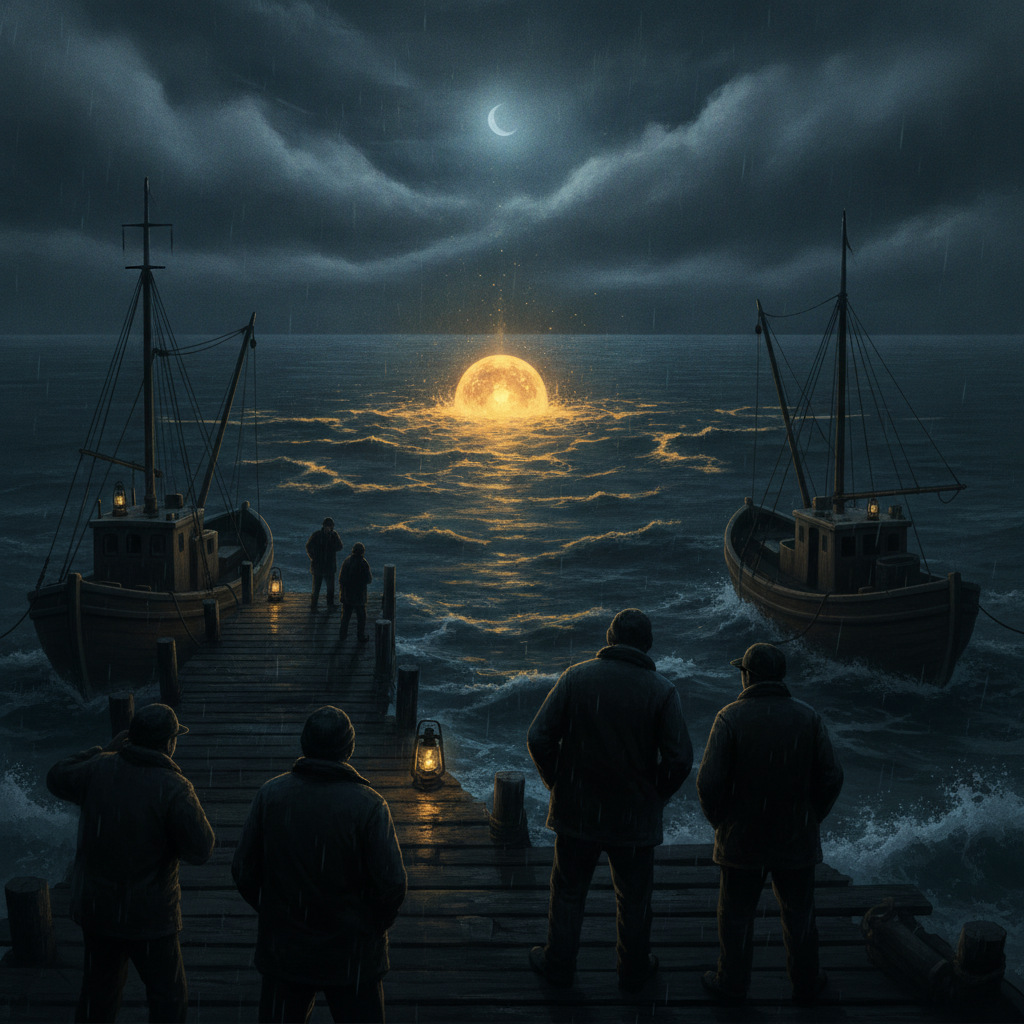
Деревня Шаг-Харбор ложится рано. На южной оконечности Новой Шотландии, там, где суша распадается на россыпь островов и начинается холодная вода залива Мэн, рыбацкие лодки к темноте уже привязаны, а дома вдоль шоссе номер три затихают. Поэтому, когда около двадцати минут двенадцатого ночи 4 октября 1967 года с неба опустилась россыпь огней, бодрствующих, чтобы это увидеть, было немного. Но их хватило. По меньшей мере одиннадцать человек, по уцелевшему в записях счёту, видели одно и то же примерно в один и тот же миг: низкий объект, светящийся ровным жёлто-оранжевым, движущийся медленно и размеренно, опускающийся к чёрной воде гавани.
Одним из них был молодой человек по имени Лори Уикенс, ехавший через деревню по шоссе с четырьмя друзьями. Они видели, как объект снижался и терял высоту, пока не показалось, что он ударился о поверхность моря где-то у берега. Уикенс поехал прямо в отделение Королевской канадской конной полиции в Баррингтон-Пассидж и сообщил, что большой самолёт или малый авиалайнер только что рухнул в воду у Шаг-Харбора. Он верил, пока говорил, что в море гибнут люди.
Вы использовали свои бесплатные чтения в этом месяце.
Откройте все 208 документированных загадок - на 8 языках, без рекламы.
Полный доступ