Die Maschine, die es nicht geben dürfte: Die Geheimnisse des Mechanismus von Antikythera
Der erste Mensch, der das Wrack sah, kam schreiend nach oben. Im Frühjahr 1900 stieg ein griechischer Schwammtaucher namens Elias Stadiatis, der mit einer Mannschaft von der Insel Symi arbeitete, vor der winzigen Insel Antikythera rund 45 Meter hinab und tauchte stammelnd wieder auf: ein Haufen toter Menschen und Pferde verrotte auf dem Grund. Sein Kapitän, Dimitrios Kontos, hielt ihn für tiefenkrank, tauchte selbst - und kam mit dem bronzenen Arm einer Statue zurück. Die "Leichen" waren Skulpturen: die Fracht eines römerzeitlichen Schiffes, das um 60 v. Chr. mit der geraubten Kunst der griechischen Welt an Bord gesunken war, höchstwahrscheinlich aus der östlichen Ägäis nach Italien unterwegs, als es an den Klippen von Antikythera zerschellte. Im folgenden Jahr, bei einer Bergung in schweren Taucheranzügen am äußersten Rand des vom menschlichen Körper Erträglichen, holte die Mannschaft Marmorgötter und bronzene Meisterwerke herauf: den Jüngling von Antikythera, einen bronzenen Epheben von etwa 340 v. Chr., den grüblerischen Kopf, der als Philosoph bekannt ist, und einige Dutzend Marmorfiguren von Herakles, Odysseus und Apollon, von denen eine den Tauchern entglitt und wieder in die Tiefe verloren ging. Die Arbeit verstümmelte jene, die sie taten: ein Taucher starb an der Taucherkrankheit, zwei blieben gelähmt - unter den ersten dokumentierten Opfern einer Dekompressionswissenschaft, die es 1900 kaum schon gab. Münzen, die man später aus dem Wrack barg, geprägt in Pergamon und Ephesos in den Jahrzehnten vor dem Untergang, sollten das Unglück auf die Mitte des ersten Jahrhunderts v. Chr. festlegen helfen.
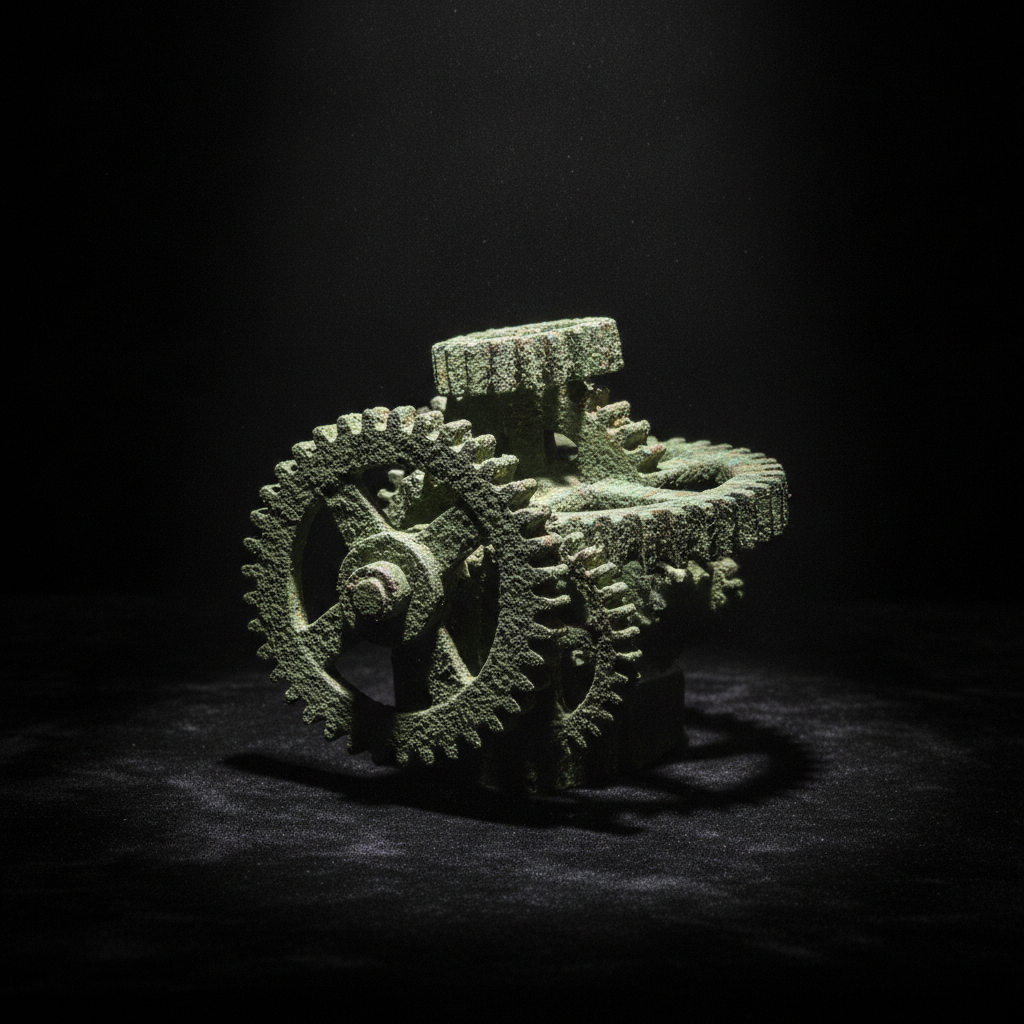
Und zwischen dem Marmor kam, fast unbemerkt, ein korrodierter Bronzeklumpen von der Größe eines Schuhkartons herauf, der ans Archäologische Nationalmuseum in Athen geschickt und beiseitegelegt wurde. Am 17. Mai 1902 bemerkte der Archäologe Valerios Stais in dem aufgebrochenen Klumpen etwas, das dort nichts zu suchen hatte: ein präzise geschnittenes Zahnrad, graviert mit griechischen Buchstaben. Nichts von vergleichbarer mechanischer Komplexität taucht in der erhaltenen Überlieferung für weit über tausend Jahre wieder auf - bis zu den astronomischen Uhren des europäischen Mittelalters. Das Gerät - 82 erhaltene Fragmente mit rund 30 Zahnrädern, vielleicht ein Drittel der ursprünglichen Maschine - wird heute grob auf das zweite oder erste Jahrhundert v. Chr. datiert und ist als Mechanismus von Antikythera bekannt: der älteste je gefundene Zahnrad-Computer. Ein halbes Jahrhundert lang nach Stais blieb er vor allem eine Kuriosität, die den Fachleuten peinlich war: zu fortschrittlich, um in die Geschichte zu passen, die die Archäologie über griechische Technik erzählte, und leichter zu ignorieren als zu erklären.
Sie haben Ihre kostenlosen Artikel für diesen Monat aufgebraucht.
Schalten Sie alle 208 dokumentierten Ratsel frei - in 8 Sprachen, werbefrei.
Voller Zugang