Der Yeti unterm Mikroskop: Wie die DNA den Fall still zu den Akten legte
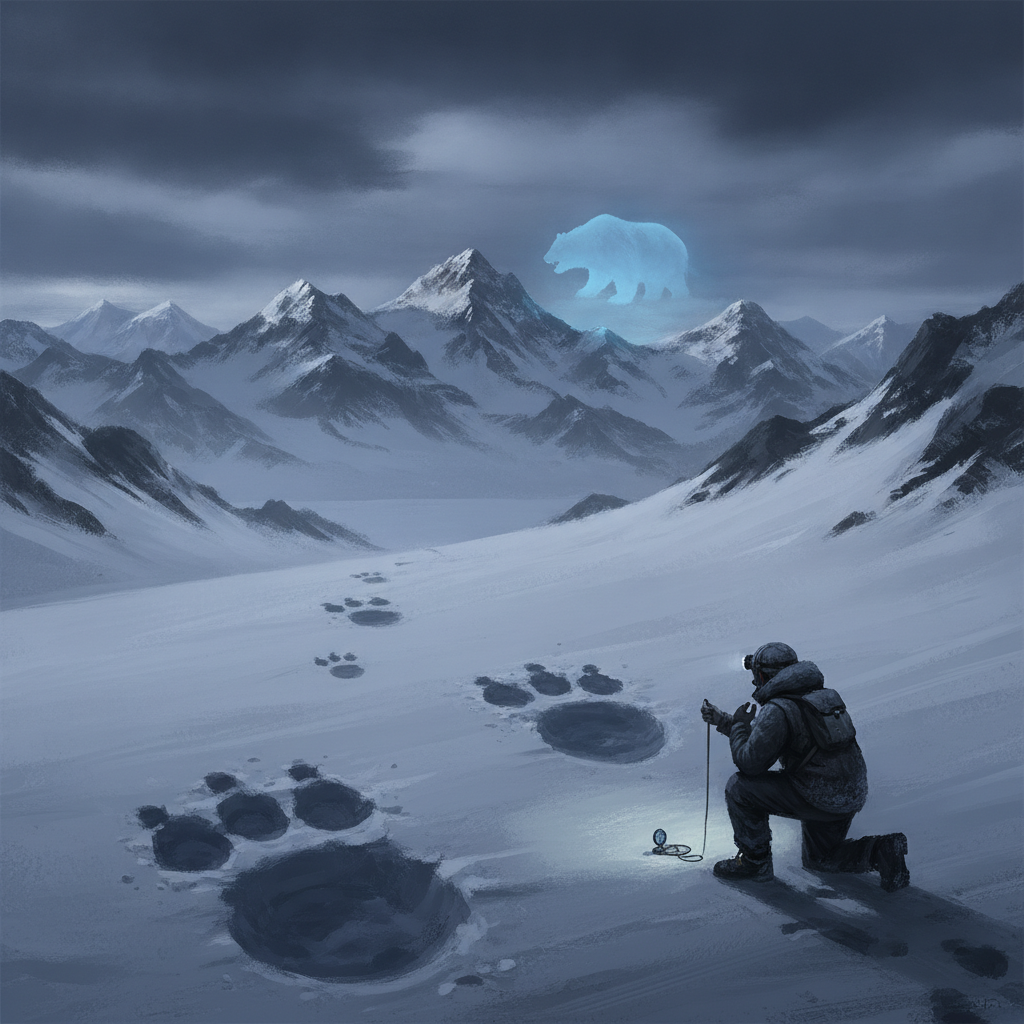
Am Morgen des 8. November 1951 tasteten sich zwei erschöpfte Männer einen Gletscher unterhalb des Menlung La hinab, eines hohen Passes an der Grenze zwischen Nepal und Tibet, als der Schnee vor ihnen aufhörte, leer zu sein. Eric Shipton, einer der erfahrensten Himalaya-Bergsteiger seiner Zeit, und sein Begleiter, der Chirurg Michael Ward, hatten Wochen damit verbracht, die südlichen Zugänge zum Everest zu erkunden. Nun, irgendwo zwischen 5.000 und 5.500 Metern, zog sich vor ihnen eine Spurenreihe über den frischen Schnee und verschwand über dem Eis. Sie waren groß und sie waren deutlich, und in der deutlichsten drückte sich eine breite, gespreizte Zehe in die Kruste. Ihr Sherpa-Begleiter Sen Tensing hatte keinerlei Zweifel, was sie hinterlassen hatte. Shipton, der kein Lineal bei sich trug, legte seinen Eispickel neben einen Abdruck, stellte Wards Stiefel neben einen anderen und machte vier Aufnahmen, ehe die Sonne den Beweis wegschmelzen konnte.
Diese Fotografien gingen um die Welt. Eines der Bilder im Besonderen, ein einzelner Abdruck mit einem Eispickel als Maßstab, erschien im Dezember jenes Jahres in The Times und wurde zum berühmtesten physischen Beweisstück, das der Yeti je hervorgebracht hat. Hier endlich gab es etwas, das sich messen ließ: nicht die Erzählung eines Reisenden, nicht die Geschichte eines Mönchs, sondern eine Spur im Schnee, auf Film festgehalten von einem Mann, dessen Kompetenz niemand anzweifelte. Shipton selbst hat nie behauptet zu wissen, was die Spur hinterlassen hatte.
Sie haben Ihre kostenlosen Artikel für diesen Monat aufgebraucht.
Schalten Sie alle 208 dokumentierten Ratsel frei - in 8 Sprachen, werbefrei.
Voller Zugang